
Manténgase sano!
- Posted May 26, 2026
Antibiotics Won't Help Ease Asthma-Linked Wheezing in Kids
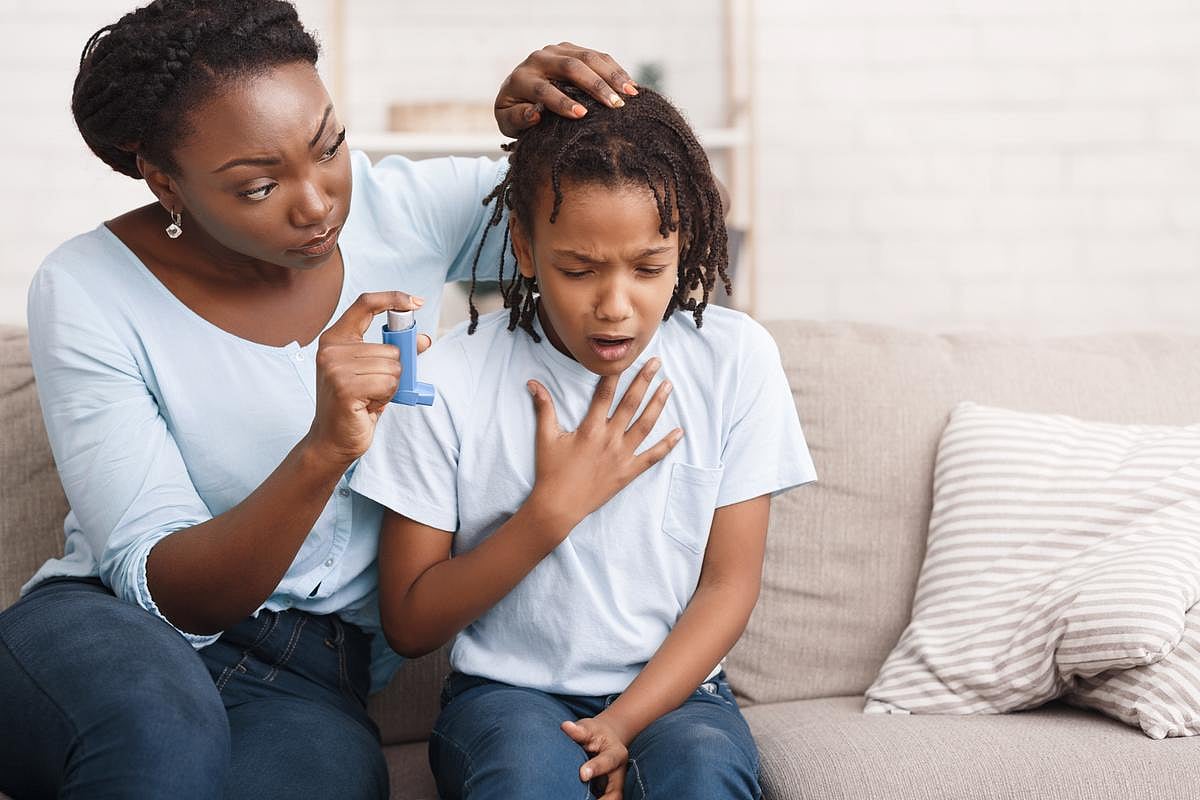
Kids with asthma can have wheezing attacks severe enough to trigger a visit to the ER.
However, a new trial shows that getting antibiotics once they are there won't help.
In fact, the trial was stopped early after researchers found the antibiotic azithromycin was useless in easing wheeze.
"We can say with a high degree of certainty that children who come to the doctor's office or the emergency room with a severe wheezing episode should not be given azithromycin or any antibiotic," said lead researcher Dr. Fernando Martinez. He's the director of the Asthma and Airway Disease Research Center at the University of Arizona in Tucson.
His team reported its findings May 18 at a meeting of the American Thoracic Society in Orlando, Florida. The study was published simultaneously in The New England Journal of Medicine.
Asthma and related wheezing are the leading reason U.S. kids under 5 are hospitalized, according to information from the researchers. More than 2.2 million children ages 2 to 5 require ER admission for wheeze each year.
It's long been noted that childhood wheezing episodes are associated with the presence of certain bacteria — Streptococcus pneumoniae, Moraxella catarrhalis and Haemophilus influenzae — in the throat.
Could fighting these bacterial strains with antibiotics help ease the wheezing?
To find out, Martinez's team compared outcomes for 840 children admitted to U.S. emergency rooms with wheezing episodes. The children were between 18 months and almost 5 years of age.
In all, 521 of the 840 children tested positive for at least one kind of possibly harmful bacteria, the researchers said.
Kids were randomly selected to receive either the antibiotic azithromycin or a "dummy" placebo pill as part of their treatment in the ER.
No clinical benefit was seen from use of the antibiotic.
Martinez hopes the findings might curb what he believes to be a misguided treatment.
"We've been saying for years that antibiotics should not be used in these acute situations because the wheezing is caused by viruses," he said in a university news release. "But clinicians still use antibiotics at least a quarter of the time in these young children."
Besides being ineffective, use of the drugs in this context could raise the odds for antibiotic resistance, the researchers noted.
"If you treat these children with antibiotics when they are already sick with a virus, you don't get any improvement," said Martinez, who is also professor of pediatrics at the university. "The fact that the children with the pathogenic bacteria didn't respond to the antibiotic – even if we eradicated the bacteria – challenges the idea that bacteria cause the wheezing. The bacteria are probably there because the children have a susceptibility."
His team noted that nearly three-quarters of the children in the study were co-infected with the common cold virus. That could explain the real reason for the presence of bacteria: The germs are there because the child's immune system has already been compromised.
So, the bacteria may not cause wheezing, Martinez theorized.
Instead, "the bacteria are taking advantage of the fact that the child has an inappropriate response to the virus," he said.
More information
Find out more about wheezing and asthma at the Allergy & Asthma Network.
SOURCE: University of Arizona, Tucson, news release, May 18, 2026


